 Winter hesitantly arrived just in time for ISPO – making it all the more appropriate to check out the latest winter sport gear and clothing. ISPO is a great, colorful place for me to meet people and network, especially as this is an industry most removed from all my other daily business encounters.
After all the hype around this year’s CES in Las Vegas, I was pretty excited to check out the latest wearable tech on offer at ISPO. This year the organizers even dedicated a special wearable technologies show. I am amazed at the multitude of fitness trackers but none really stuck out. Probably most noteworthy was SenseCore . According to the Swiss startup, SenseCore not only can track the “regular” data but also has an EKG functionality, body temperature, acceleration and more. The sensors can be integrated into clothing and that way produce a multitude of data In addition it is waterproof up to 5m. With a price tag of approx. EUR 900 this little wonder will most likely be used more for the professional sports people and possibly even whole teams.
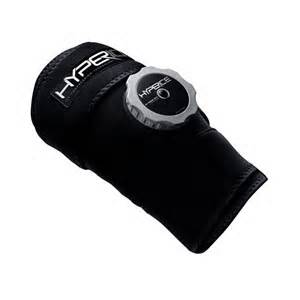
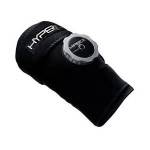 Not necessarily wearable tech but definitely wearable was Hyperice – a joint specific neoprene bandage that offers cold treatment. If you don’t mind looking like something out of Terminator it sure seems to produce great regenerative results.
While I always enjoy to check out the latest clothing, ski and snowboard gear the best place for me to go is ISPO BRANDNEW. This is where ISPO features the newcomers, the pioneers, the startups with a passion and vision. Having launched the Zipflracer myself at the trade show 6 years ago, I love spending time and talking with people who are at that same place as I was.
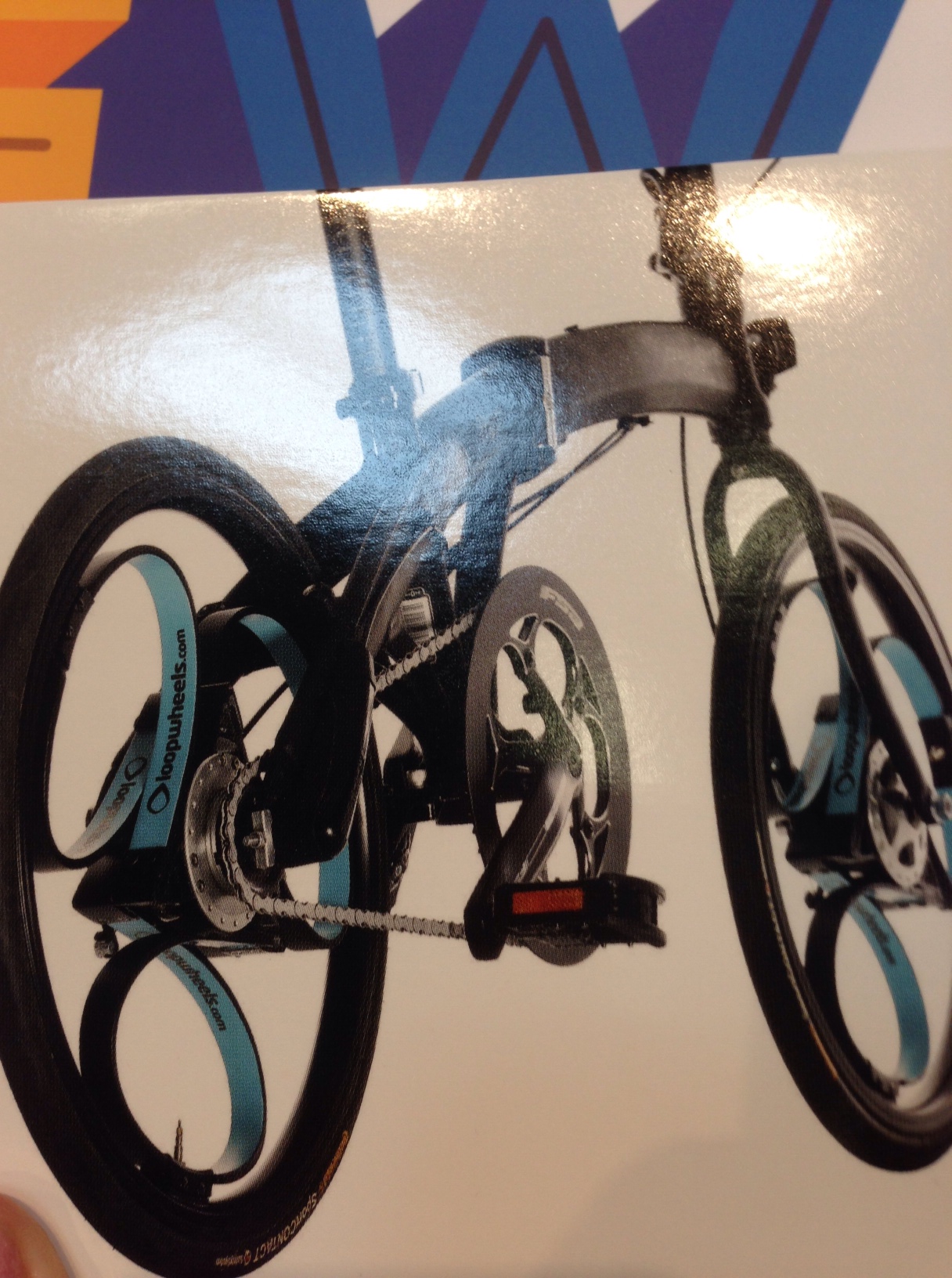
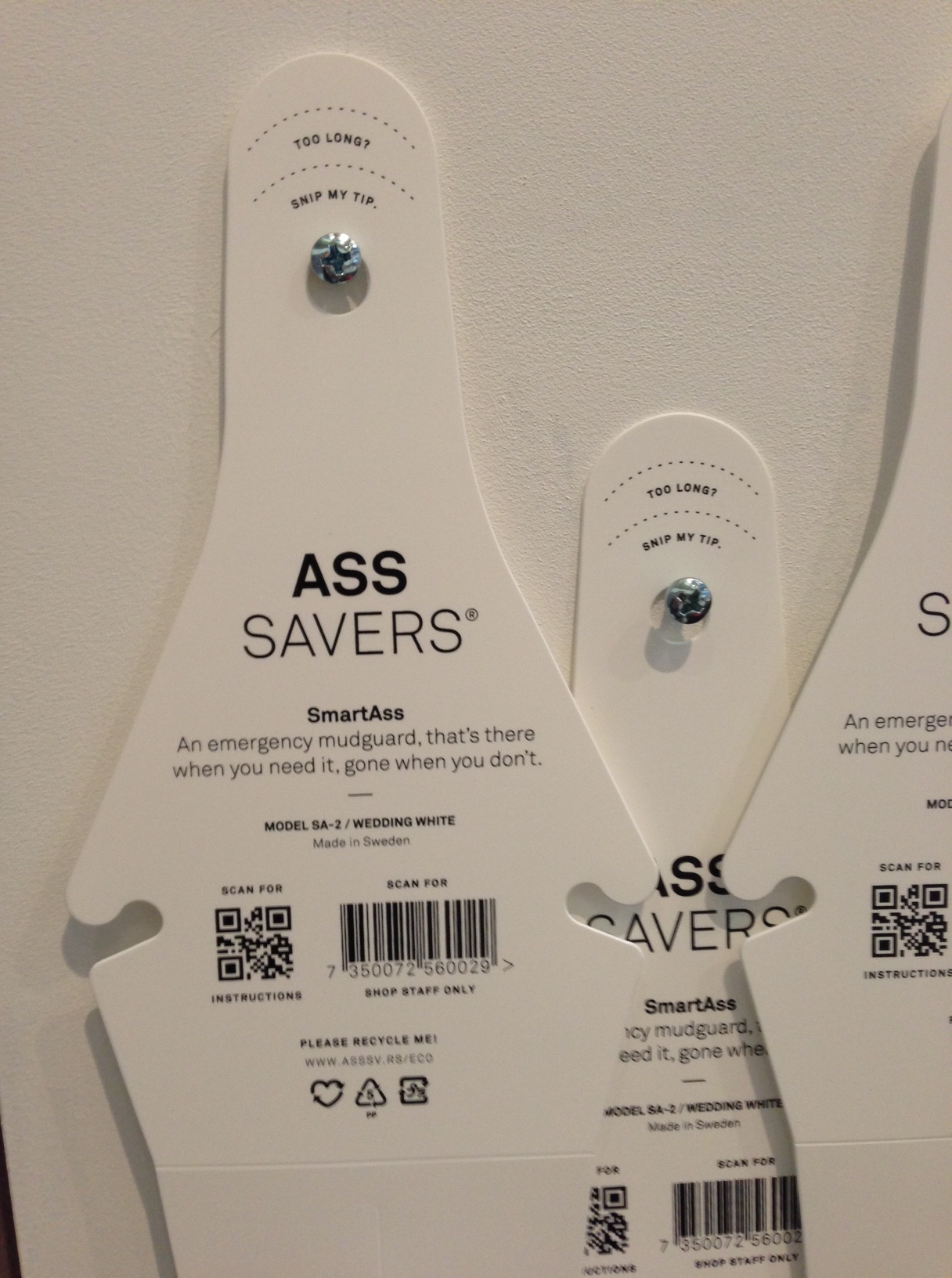
The most prominent new kids on the block this year were the bike crowd. I particularly liked Loopwheels, a British startup that has truly “reinvented the wheel”. Funded by Kickstarter,  Loopwheels has the suspension in the wheels, making riding much more comfortable. You can just buy the wheels or check out their foldable bike. Cool design. I got a great kick out of Ass Savers. There are so many bikers going passed me who look a little muddy on their be-hind. Well ass savers – basically bicycle mudguards will take care of that problem. They come in cool colors too.
And then there is also Pub Peddles. Never will have an excuse again not to ride my bike in my high heels (fortunately or unfortunately). They are attachments that will let you use any type of shoe to pedal. Easy to attach, many colors, how perfect is that.
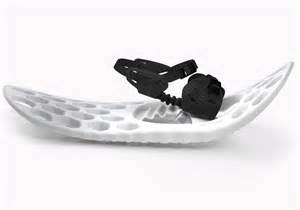
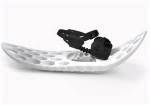 The other two startups that definitely got me excited were Fimbulvetr from Norway and Oru Kayak from my old home, California. Fimbulvetr has developed this amazing snowshoe that is lightweight and consists of only 12 pieces. But even better is the “all direction” hinge which gives your foot excellent flexibility while walking. Hopefully one day I can actually test this (please let it snow more again please!)
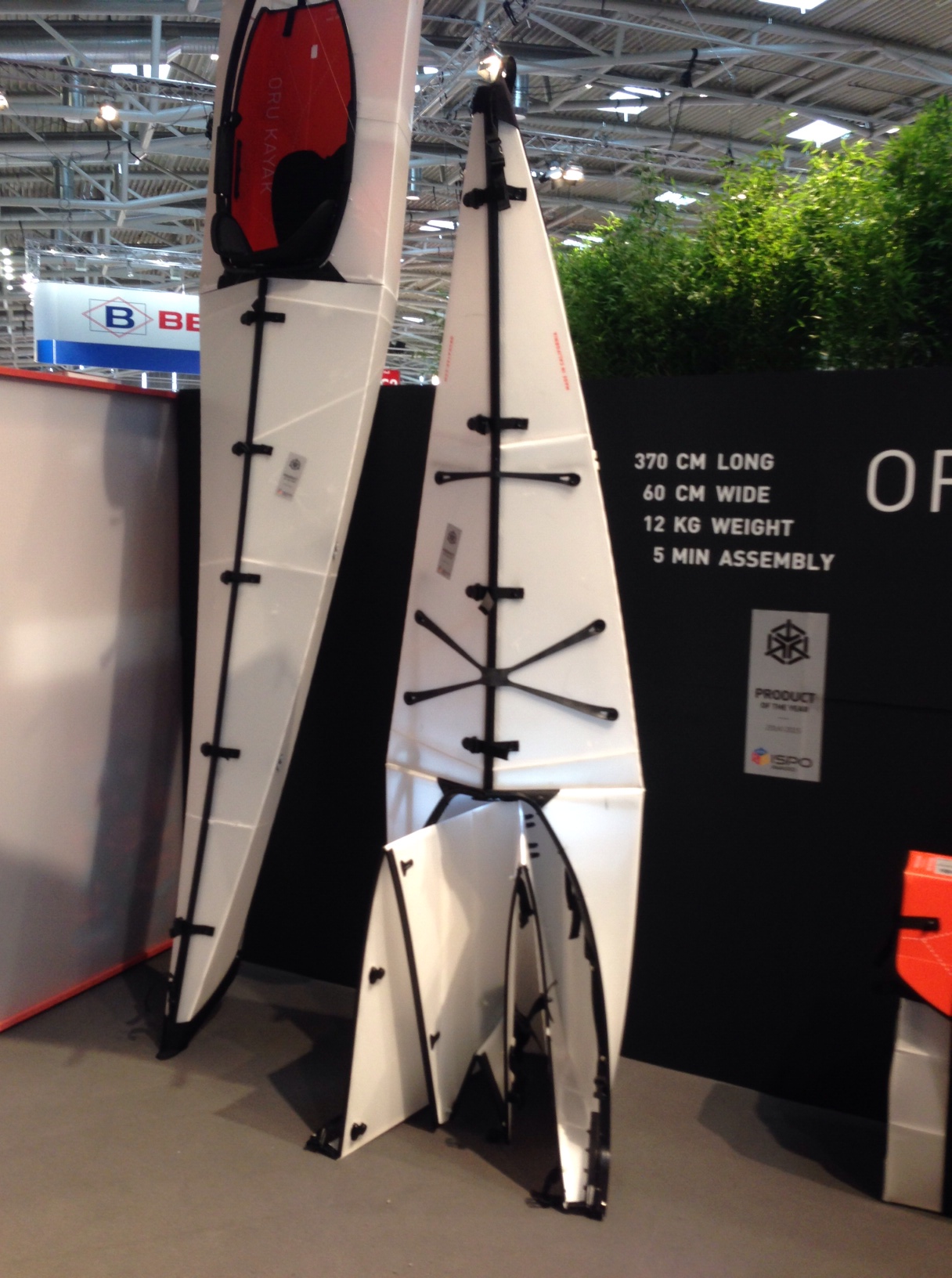
Oru Kayak of course got my heart beating faster as we have been looking for kayaks that we can take with us on our sailboat without taking up too much space like the one we have now. 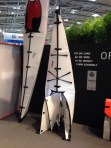 Another startup funded by Kickstarter, Oru Kayak gives you a kayak that comes in a bag, weighing approx. 12 kg and unfolds into a 3.66m long kayak. Brilliant. Discussions are already happening at my house how we can get one of these from California over the Adriatic!
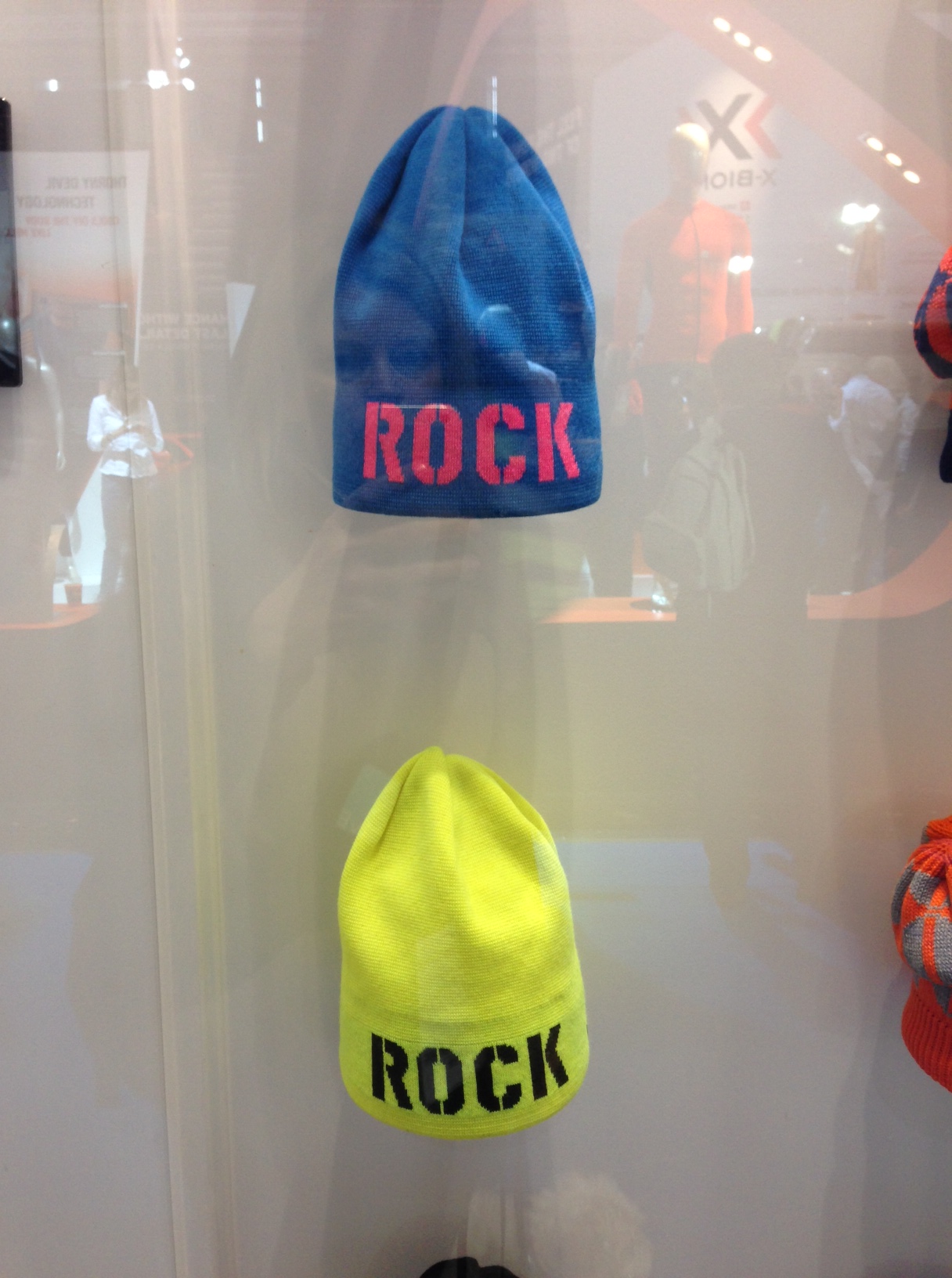
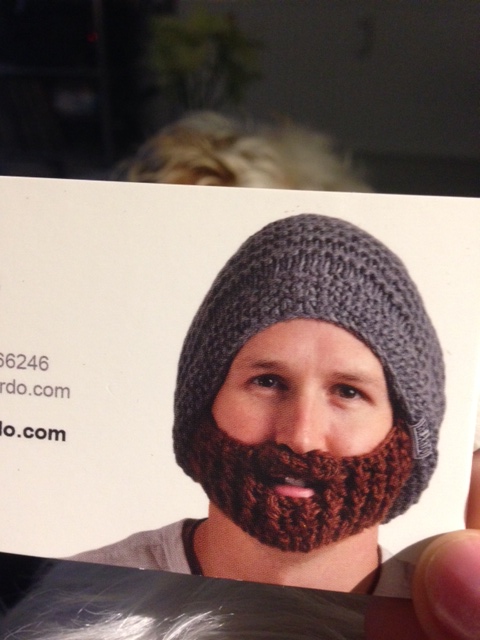
 As an aside – even though I am known to have way way too many myself – I always wonder who buys all those hats and gloves that are presented at ISPO every year. They are so generic every year. Therefore my prize for most innovative headwear this year goes to Beardo – thanks for offering many options that made me smile.
At the end of the day I wished I’d had some wearable tech as I am sure to have logged at least 20 km walking the halls. See you next year!
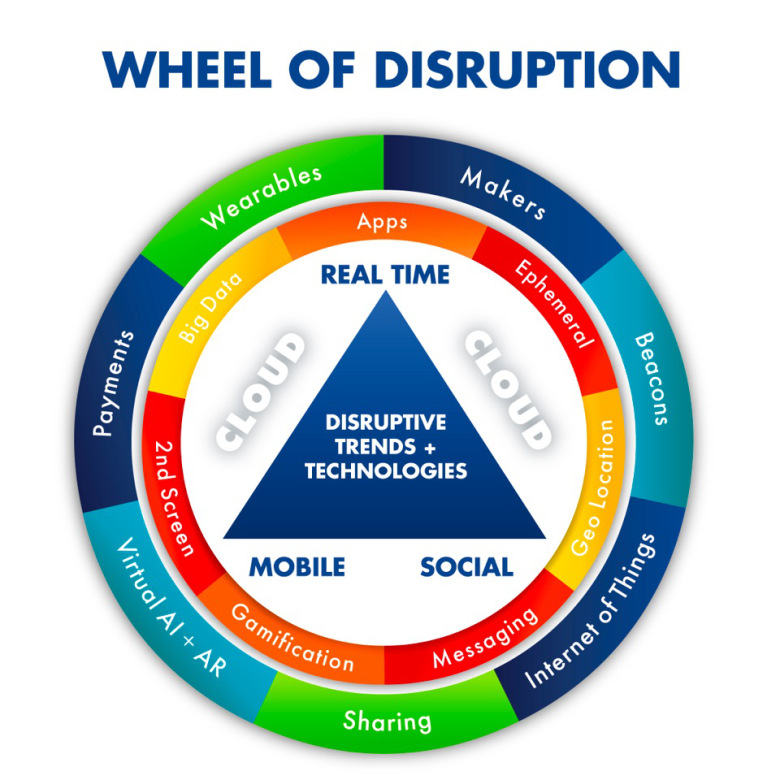 Brian Solis, Principle Analyst at Altimeter Group, posted this amazing “Wheel of Disruption” in a recent article. While it may be full of buzzwords, we cannot deny that digital technologies are impacting our customer’s behavior already today and even more so in the future. And businesses need to respond to these changes if they want to remain competitive. Brian interviewed over 20 strategists from leading global companies to find out how they are changing in light of this. Very interesting to hear that most felt that the way to adapt to this transformation was not only through investing in new technologies. But to adapting to the behaviours of customers and employees. At the end of the day is it about “creating a culture of adapation and innovation” in your business. And that is something us in marketing communications also have a large role to play in.




 Tomo Enterprises